Redesign Your Space With Our Skilled Renovation Company Services
Transforming a space can markedly enhance both functionality and aesthetic appeal. Professional remodeling services offer a combination of quality craftsmanship and innovative design. These services streamline the remodeling process, guaranteeing reduced worry for homeowners. Understanding the various aspects involved is vital. What steps should one take to obtain a successful transformation? The answers might lead to surprising revelations and important factors.
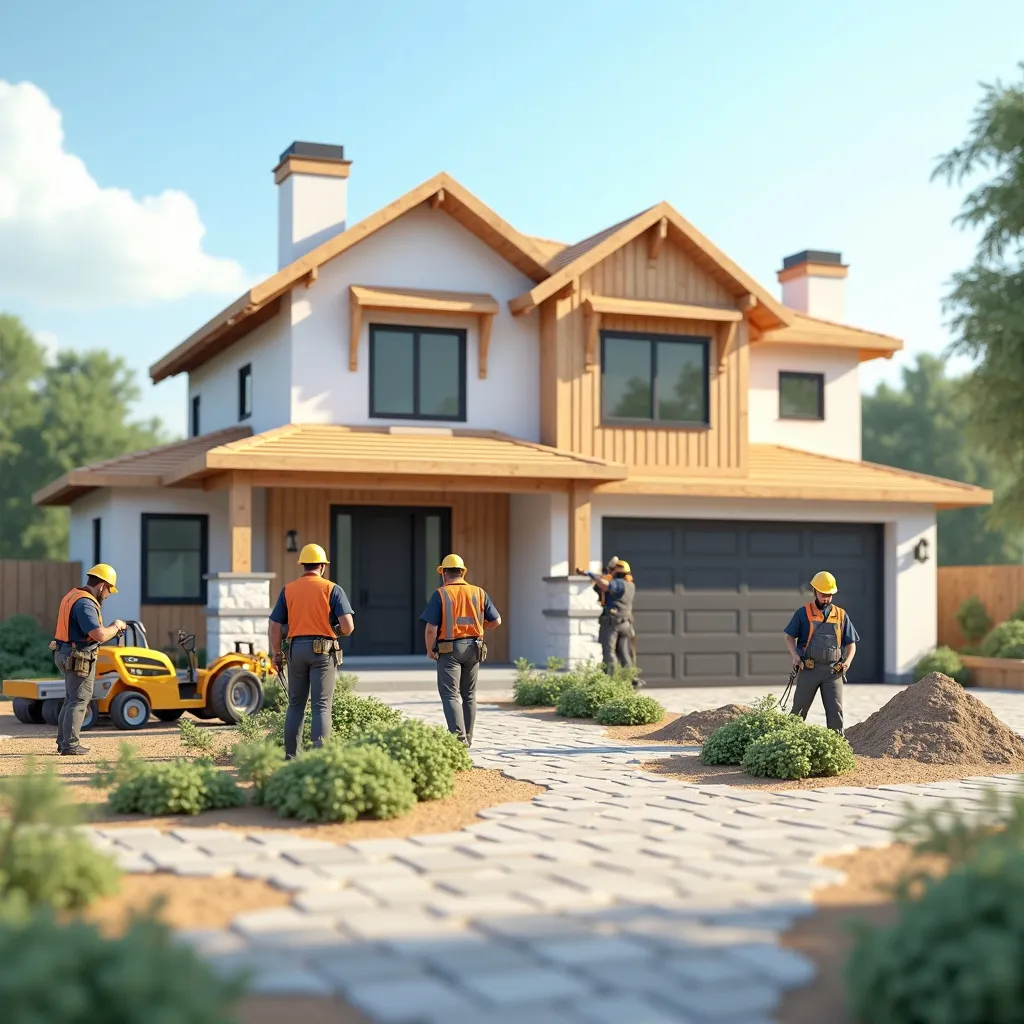
Learn about the Perks of Professional Home Renovation Providers
When homeowners decide to enhance their home spaces, they often find that professional renovation services provide significant benefits. Engaging professionals in the industry ensures excellent craftsmanship that adheres to industry standards. These skilled professionals possess the necessary capabilities and expertise to handle complicated projects, reducing the dangers of costly errors that DIY efforts might incur.
Moreover, expert contractors offer creative design concepts that can revolutionize a space in ways homeowners may not envision. They remain current on the latest trends and technologies, which can greatly enhance performance and visual appeal. In addition, utilizing professional services often simplifies the process, as these experts manage everything from design and approvals to implementation and evaluations.
Ultimately, engaging professional remodeling services not only improves the quality of the renovation but also relieves stress for homeowners, allowing them to enjoy the transformation of their living spaces without undue hassle.
Grasping the Home Improvement Process: What to Prepare For?
Comprehending the renovation process is vital for property owners considering a project. This progression often starts with an opening consultation, accompanied by detailed design and planning phases. Ultimately, the project schedule describes the steps from start to finish, ensuring clarity during the undertaking.
Early Consultation Processes
How does one handle the often complex world of remodeling? The opening meeting acts as a crucial first step in this undertaking. During this meeting, clients connect with experts to explore their aspirations, budget, and timeline. The renovation company typically performs a detailed assessment of the existing space, observing structural elements and any potential challenges. This is also a time for clients to pose questions and address any uncertainties about the process. The experts share insights based on experience, supporting clients organize their needs and desires. Ultimately, this consultation establishes the framework for a productive renovation project, ensuring both parties are on the same page before moving forward into the subsequent phases of design and planning.
Design and Planning Phase
The design and planning stage converts original concepts into tangible blueprints. During this essential phase, clients collaborate with design professionals to define their perspective, tastes, and functional requirements. Important components include choosing materials, colors, and layouts that match the overall aesthetic and purpose of the area. Designers utilize cutting-edge technology to create detailed renderings, enabling clients to visualize the project before construction begins. Financial planning also play an important role, as designers help prioritize features and resources to stay within financial constraints. Throughout this stage, transparent dialogue guarantees that all stakeholders are in agreement, reducing misunderstandings. In the end, this meticulous planning establishes the foundation for a successful remodeling project, paving the way for an efficient and organized construction process.
Construction and Completion Timeline
What could one anticipate during the construction and completion timeline of a remodeling project? Initially, the process commences with ground readiness, including demolition and clearing. This stage can differ in duration based on the scope of work. Following this, the construction phase commences, incorporating framing, plumbing, and electrical work. This phase often takes the most duration, as it requires precision and adherence to safety standards. Once the foundational components are in place, finishing touches such as drywall installation, flooring, and painting are completed. Finally, a thorough inspection ensures all work meets regulatory standards and the homeowner's requirements. In summary, a remodeling project typically spans several weeks to months, based on complexity, allowing homeowners to visualize their transformed space step by step.
How to Pick the Right Renovation Company
Selecting the appropriate renovation company can significantly influence the result of a home renovation project. Homeowners should start by researching potential companies, concentrating on their experience, areas of expertise, and past projects. Online ratings and testimonials can offer useful insights into the company's standing. It's crucial to verify qualifications, such as licenses and insurance, to ensure compliance with regional regulations.
Next, homeowners should obtain several estimates to evaluate prices and services, encouraging transparency in what is included. Dialogue is another essential factor; a company that heeds its clients and responds promptly builds a positive working relationship.
At last, studying the firm's portfolio can display their visual identity and construction excellence. By attentively evaluating these factors, homeowners can make an educated decision, ultimately creating a successful renovation that suits their aspirations and monetary resources.
Premier Profitable Remodeling Undertakings for Your Property
Homeowners commonly search for worthwhile renovation initiatives to enhance both functionality and aesthetics. One of the most desired improvements is the kitchen redesign, which can increase property value and produce a more appealing environment for family occasions. Improving bathrooms is another high-impact project; updated features and practical arrangements can substantially enhance enjoyment and aesthetics.
Moreover, constructing or upgrading outdoor spaces, including decks or patios, expands living areas and encourages exterior recreation. Finished basements also function as versatile spaces, providing possibilities for entertainment, home offices, or guest accommodations.
Energy-efficient upgrades, including new windows and insulation, not only elevate comfort but also reduce utility costs, making them a wise investment. Finally, open floor plans have become increasingly in-demand, fostering a sense of space and connectivity. Each of these projects can dramatically transform a home, offering homeowners both immediate enjoyment and long-term value.
Setting Your Home Remodeling Upgrade Budget
Budgeting for a home remodeling transformation involves deliberate planning and clear financial goals. Dwellers should begin by scrutinizing their total budget allowance, keeping in mind their financial situation and aspirations. It is essential to differentiate between needs and wants, ranking projects that amplify functionality and value.
After that, getting detailed quotes from construction firms can supply realistic estimates for labor and materials. Incorporating a contingency fund—typically 10-20% of the total budget—can support in addressing unplanned costs that may develop during the remodeling process.
Additionally, homeowners should consider financing options, like home equity loans or personal loans, to guarantee that they can handle costs efficiently. By creating a clearly structured budget and monitoring expenditures throughout the project, property owners can achieve a positive transformation without financial strain. Ultimately, careful budgeting creates the basis for a rewarding remodeling experience.
Current Styles in Home Remodeling Design
Emerging trends in home remodeling design prioritize sustainable practices, indicating a growing awareness of environmental effects. Open plan layouts continues to gain popularity, promoting a sense of spaciousness and interaction across areas. Additionally, connected home solutions is transforming how dwellers operate with their domestic spaces, enhancing user experience and optimization.
Sustainable Design Strategies focused on environmental conservation
Homeowners are increasingly embracing eco-friendly design methods in their remodeling projects, reflecting a wider trend towards sustainability. These methods prioritize sustainable materials, energy-efficient systems, and water conservation techniques. Homeowners are increasingly choosing recycled or locally sourced materials, cutting their carbon footprint while boosting visual appeal. Incorporating energy-efficient appliances and solar panels not only lowers utility bills but also contributes to a sustainable lifestyle. Additionally, natural lighting solutions, such as skylights and larger windows, are becoming more common, supporting both energy efficiency and well-being. This transition towards sustainability not only helps the environment but also raises property value, making homes more appealing to future buyers. Ultimately, sustainable design practices symbolize a forward-thinking approach to current remodeling.
Open Concept Living
Open concept residential has grown into a dominant trend in home renovation, enticing to homeowners pursuing spacious, multifunctional layouts. This design strategy breaks down dividers between key areas, such as the kitchen, dining, and living spaces, fostering a sense of connection and flow. By taking out walls, homeowners can develop spaces that encourage social interaction and maximize natural light. This trend also provides greater versatility in furniture placement, supporting various activities and gatherings. With an emphasis on functional design, open concept layouts can boost the overall aesthetic of a home, making it feel more expansive and inviting. Consequently, this design remains a preferred choice for modern homeowners seeking to optimize their living spaces.
Digital Home Combination
Leveraging technology, homeowners increasingly focus on smart home incorporation in their renovation undertakings. This movement reflects a growing desire for convenience, energy efficiency, and improved security. Smart home solutions, such as automated illumination, thermostats, and security solutions, can seamlessly integrate into modern aesthetics, offering customizable control through smartphones or voice directions.
Homeowners are also incorporating smart appliances that advance daily living, from refrigerators that monitor groceries to ovens that can be operated from anywhere. This merger not only strengthens capability but also increases property value. As remodeling companies adjust to these advancements, they provide bespoke solutions that fulfill individual needs, creating spaces that are both stylish and technologically advanced. Smart home integration is no longer a indulgence; it is now a standard expectation in contemporary remodeling.
Guaranteeing Standards and Fulfillment in Your Remodel
Quality and contentment are paramount in any renovation project, as homeowners seek not only functional upgrades but also visual improvements. An effective remodeling company prioritizes workmanship, employing skilled professionals who understand the current design trends and materials. By implementing strict quality control procedures, they ensure that every aspect of the project meets superior standards.
Communication acts as a vital element in accomplishing client fulfillment. Frequent updates and clarity read the full story regarding project schedules and financial allocations cultivate confidence and permit homeowners to voice their desires. Feedback channels, including assessments and check-in discussions, enable the company to address any concerns efficiently.
Moreover, a commitment to using durable materials contributes to long-lasting results, improving the overall value of the home. Ultimately, a triumphant remodeling experience copyrights on a mixture of quality workmanship, clear communication, and a emphasis on the client's vision, resulting in spaces that delight homeowners for years to come.
Often Sought Answers
What Timeframe Should I Expect for My Remodeling Job?
The length of a renovation project depends on its scope, difficulty, and selected materials. In general, property owners should anticipate schedules ranging from a few months to several months, contingent on the particular requirements of the remodel.
Is It Possible to Stay in My Home During the Renovation?
Yes, homeowners can often occupy their homes during a remodel, though it may be inconvenient. Certain areas may be off-limits, and disruptions, dust, or noise can occur, impacting daily comfort and routines.
Do Your Home Renovation Services Include Warranties?
Yes, the company does offer warranties on their renovation work. These guarantees ensure that clients receive quality workmanship and materials, delivering peace of mind and safeguard against potential issues arising after the project's completion.
What Licenses Are Necessary for My Renovation Endeavor?
Permits required for renovation activities differ depending on location and scope. Generally, construction permits, electrical permits, and plumbing permits may be required. Reviewing regional regulations guarantees adherence and avoids possible fines or work delays.
What Approach Do You Employ to Deal With Unforeseen Setbacks In the Course of Remodeling?
Unanticipated hindrances in the course of refurbishment are managed through proactive outreach and problem-solving. The team studies the issue, reviews solutions with the customer, and carries out strategies efficiently to reduce hold-ups and guarantee project continuity.